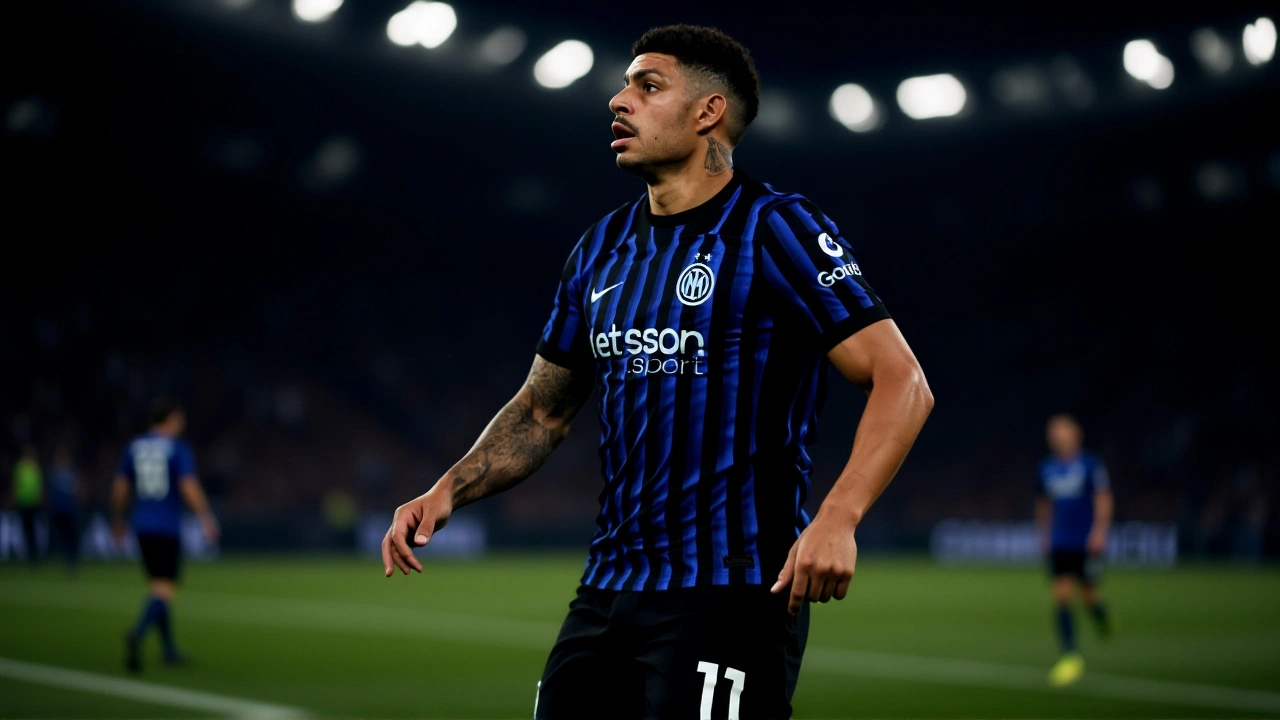
Ange-Yoan Bonny: Footballer, Career, and Recent Appearances in African and European Clubs
When you hear the name Ange-Yoan Bonny, a professional footballer of French nationality with Congolese heritage who plays as a winger or forward. Also known as A-Y Bonny, he's the kind of player who bridges continents — trained in France, tested in Europe, and now making his mark in South African football. He’s not just another name on a roster. He’s a player whose speed, dribbling, and decision-making turned heads at clubs like Nantes and Lens before he took a bold step to the CAF Champions League scene.
His move to Orlando Pirates, one of South Africa’s most historic and supported football clubs based in Johannesburg wasn’t just a transfer — it was a statement. In the 2025 Carling Knockout semi-final, Bonny was on the bench as Tshepang Moremi scored the winner against Richards Bay, but his presence in the squad signaled a shift in the team’s attacking strategy. He’s not always the headline scorer, but he’s the player who creates space, draws defenders, and opens up chances for others. That’s the quiet impact of a player who’s been in high-pressure environments — from Ligue 1 to the packed stands of Moses Mabhida Stadium.
What makes Bonny stand out isn’t just his skill — it’s his adaptability. He didn’t wait for a big European contract to keep playing. He went where the game needed him: to a league that’s growing faster than most people realize. South African football doesn’t just have stars like Sibusiso Zuma or Percy Tau — it’s also pulling in international talents like Bonny who bring tactical discipline and physicality. His background in French academies gives him an edge in structure and positioning, something many local attackers are still learning. And with clubs like Orlando Pirates aiming for their first major trophy since 2011, players like him aren’t just additions — they’re catalysts.
He’s also part of a quiet trend: African-descended players from Europe choosing to return to the continent not as tourists, but as contributors. Bonny didn’t come to South Africa for a vacation. He came to compete. And in a league where pace and physicality often decide games, his attributes fit like a glove. You won’t see him in every match, but when he’s on, you feel it. That’s the kind of player who changes the rhythm of a game without needing to score.
Look at the bigger picture. His name shows up in match reports alongside teams like Santos FC and Palmeiras — not because he played for them, but because his style echoes the kind of dynamic wingers who thrive in South America and Europe. The same footwork that works in Nantes works in Soweto. The same timing that beats a French defender can unlock a South African backline. That’s the universal language of football — and Ange-Yoan Bonny speaks it fluently.
Below, you’ll find real match reports, team updates, and tactical insights tied to his career path — from the French second division to the intense rivalries of South African football. Whether you’re tracking his next appearance or just curious about how global talent is reshaping African leagues, these stories give you the full picture — no fluff, no hype, just facts.