
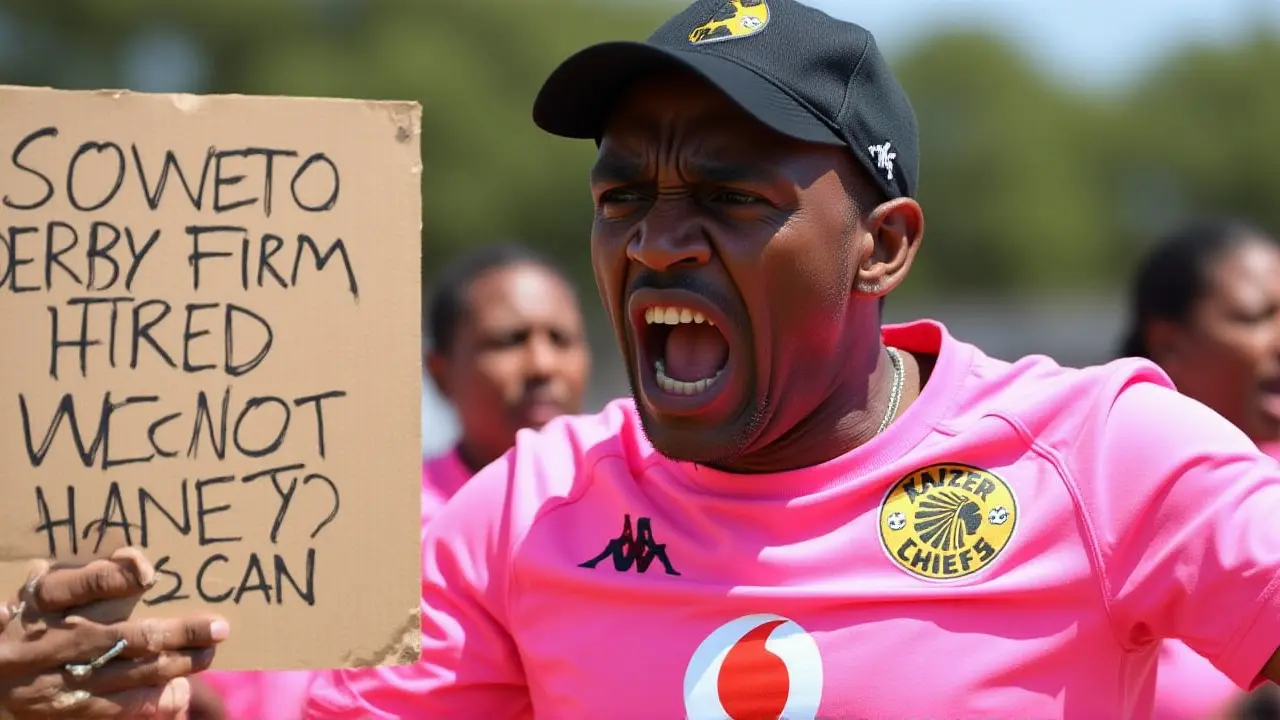
It’s been 25 years since the screams from Ellis Park Stadium silenced a nation, yet the same terrifying echoes seem to haunt every Soweto derby. The ghost of April 11, 2001, isn’t just a memory for South African football fans; it’s a warning that we’re dangerously close to ignoring.
The date is etched into our collective consciousness. On that Wednesday evening in Johannesburg, a crowd crush during a match between Kaizer Chiefs Football Club and Orlando Pirates Football Club claimed 43 lives. It remains the worst sporting disaster in South Africa’s history. But here’s the thing: despite two decades of promises, reforms, and inquiries, the fundamental issues of crowd management and safety at these high-stakes matches remain unresolved.
The Silence Is Deafening
Enter Timothy Molobi, sports editor of City Press. If you follow South African sports media, you know his voice. Through his column "Tim Spirit" on News24, Molobi has become one of the most vocal critics of the systemic failures surrounding the derby.
In a recent piece titled "Ghost of Ellis Park tragedy haunts every Soweto derby – and we're running out of time to get it right," Molobi didn’t mince words. He slammed Stadium Management South Africa (SMSA) for what he described as a deafening silence in the face of recurring chaos. "Repeated derby-day failures" are not just operational hiccups; they are existential threats to fan safety.
Molobi’s argument is simple but devastating: if we don’t fix the broken systems now, another tragedy is inevitable. And given the intensity of the rivalry, the stakes couldn’t be higher.
A History Written in Blood
To understand why this matters, you have to look back at the details of the 2001 disaster. According to records from South African History Online, the situation spiraled out of control when approximately 60,000 people were still outside the stadium as the match began. Inside, the capacity was already exceeded.
The final report from the commission of inquiry revealed a grim truth: security personnel had allegedly taken bribes to admit fans without tickets. This corruption led to severe overcrowding. When the surge hit, 29 people died inside the stadium and 14 more perished outside the gates. Among the victims were children, including 11-year-old Rosswinn Nation and 13-year-old Sphiwe Mpungose. Their names aren’t just statistics; they represent families shattered by negligence.
The inquiry concluded that poor crowd control and bribery were key factors. Yet, looking at subsequent events, it feels like those lessons were filed away rather than implemented.
Recurring Nightmares
If 2001 wasn’t enough, history repeated itself on a smaller, but equally tragic scale, on July 29, 2017. During another Soweto derby, this time at the FNB Stadium in Johannesburg, a stampede killed two fans. One person was critically injured, and 16 others sustained minor injuries.
Johannesburg public safety official Michael Sun confirmed the deaths via Twitter at the time, noting that an investigation was underway. But investigations rarely change the culture if the incentives remain the same. The 2017 incident proved that the Ellis Park tragedy wasn’t an anomaly; it was a symptom of a deeper disease in how these massive gatherings are managed.
Compare this to the Stade Demba Diop disaster in Senegal just weeks earlier, where eight supporters died after a wall collapsed. These aren’t isolated incidents; they are global warnings about the dangers of inadequate infrastructure and planning in football.
Commemoration vs. Action
As we approach the 25th anniversary of the Ellis Park disaster in April 2026, the rituals of remembrance are in full swing. Kaizer Chiefs released an emotional statement marking the occasion, calling it "arguably the darkest day in the history of South African football."
"Supporters came with joy in their hearts and 43 of them didn’t make it back home," the club stated. "Still today, I feel pain in my soul when I think of that evening." They emphasized that the "Khosi Nation" (the supporter base) is the heartbeat of the club and pledged to honor the memory of those lost.
While these tributes are necessary and heartfelt, they raise a critical question: Are we remembering to heal, or are we remembering to complacency? Timothy Molobi’s latest column suggests the latter. He argues that the silence from authorities like SMSA is louder than any commemorative speech.
What Needs to Change?
The core issue isn’t just about buying better turnstiles or hiring more police. It’s about accountability. The 2001 inquiry highlighted bribery among security staff. Has there been systemic reform in how security contracts are awarded and monitored? Do clubs prioritize ticket revenue over strict capacity limits?
Fans interviewed after the 2001 tragedy accused the clubs of caring more about sales than safety. Two decades later, with ticket prices soaring and demand remaining insatiable, that tension hasn’t disappeared. If anything, the financial pressure to maximize attendance makes strict enforcement even harder.
Molobi’s warning that "we're running out of time" implies that the current window for meaningful change is closing. With the next major derby approaching, the pressure is on SMSA, the clubs, and local government to demonstrate concrete improvements, not just press releases.
Frequently Asked Questions
What exactly happened at Ellis Park Stadium in 2001?
On April 11, 2001, a crowd crush occurred during a Soweto derby between Kaizer Chiefs and Orlando Pirates. Due to overcrowding and alleged bribery allowing unticketed fans entry, 43 people were crushed to death and 250 were injured. It remains South Africa's worst sporting disaster.
Who is Timothy Molobi and why is his opinion significant?
Timothy Molobi is the sports editor of City Press and host of the "Tim Spirit" show. He is a prominent voice in South African sports journalism, particularly regarding the Soweto derby. His recent columns highlight ongoing safety failures and criticize stadium management for inaction.
Have there been other major incidents at Soweto derbies?
Yes. In July 2017, a stampede at the FNB Stadium during a derby killed two fans and injured several others. This incident underscored that safety risks persisted long after the 2001 Ellis Park tragedy, pointing to systemic issues in crowd management.
What role does Stadium Management South Africa (SMSA) play?
SMSA is responsible for managing stadiums and ensuring safety standards are met. Critics, including Timothy Molobi, accuse SMSA of failing to address chronic crowd-control problems at Soweto derbies, citing a lack of decisive action and transparency.
Why is the 25th anniversary important?
The 25th anniversary in April 2026 serves as a milestone to evaluate progress. While clubs like Kaizer Chiefs offer tributes, activists and journalists argue it is a deadline to implement lasting safety reforms to prevent future tragedies.