
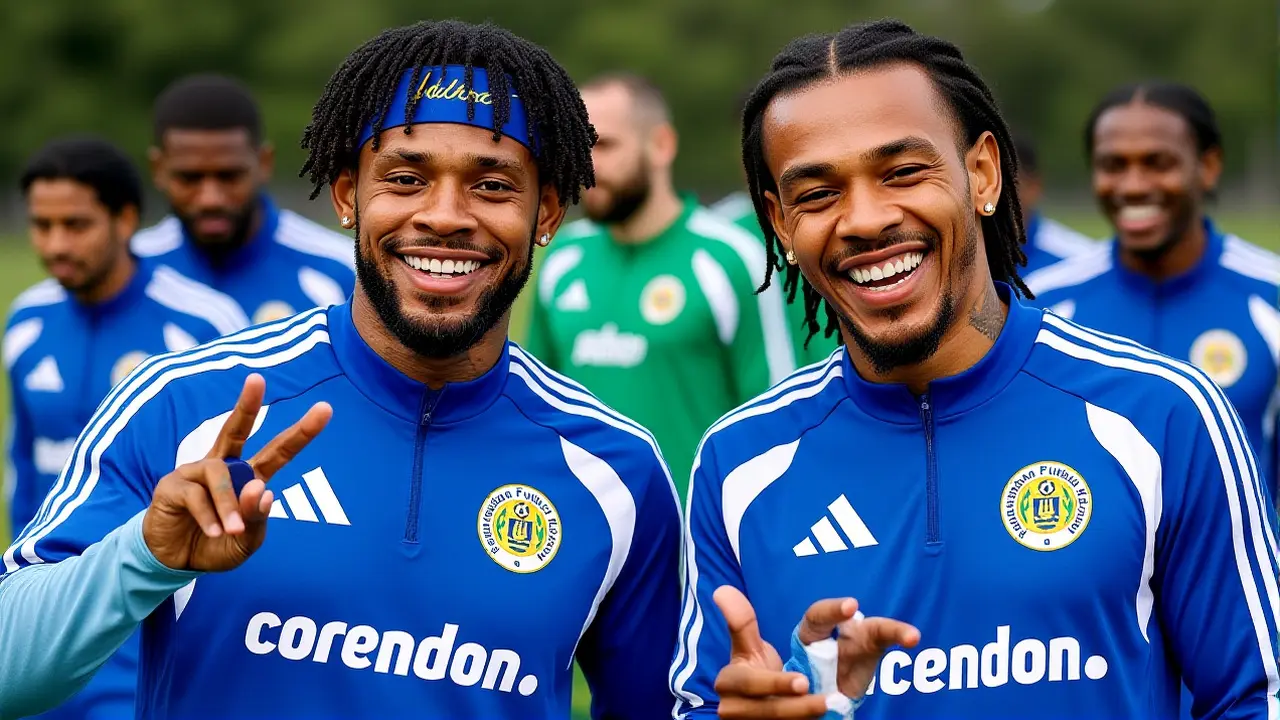
It’s the kind of story that makes you forget the scoreboard for a moment. Curaçao, an island nation with a population of just 156,000 people, has made history by qualifying for the 2026 FIFA World CupUnited States. It is officially the smallest country by both land area and population ever to reach the tournament. But here’s the twist: their fairy-tale run hit a brutal reality check on June 14, 2026.
The Caribbean side lost their opening match against Germany 7–1. Ouch. Yet, in that crushing defeat, they found a spark of pride. Defender Livano Comenencia, defender for Curaçao national team scored in the 21st minute, etching his name into the record books as the scorer of Curaçao’s first-ever World Cup goal. It was a solitary bright spot in a heavy afternoon, but it proved one thing: this tiny team isn’t just along for the ride. They’re ready to fight.
A Historic Qualification Run
To understand why this debut matters so much, you have to look back at how they got here. This wasn’t a fluke or a lucky draw. Between November 2023 and November 2025, Curaçao played ten qualifying matches under the CONCACAF banner. They didn’t lose a single game. Seven wins, three draws. Zero losses.
They topped Group C in the second round and then dominated Group B in the final stage. On November 18, 2025, the job was done. The celebrations in Willemstad were massive—think fireworks, street parties, and a collective sense of disbelief turning into pure joy. For a nation smaller than many major U.S. cities, beating out larger Caribbean rivals like Haiti and Jamaica to secure a spot alongside footballing giants was nothing short of miraculous.
The qualification path highlighted a tactical shift. Coach Frits Naaman (who led them through qualifiers) built a team based on physicality and rapid transitions, leveraging players who grew up playing on hard-packed dirt pitches before moving to professional academies in Europe. It worked. Now, they face the biggest test of their lives.
The Gauntlet: Group E Analysis
Let’s be real about the group draw. Group E is a nightmare scenario for most teams, let alone a debutant. Curaçao is stacked against Germany, Ecuador, and Ivory Coast.
- June 14: vs. Germany at NRG Stadium, Houston (Result: 1–7 loss)
- June 20: vs. Ecuador at GEHA Field at Arrowhead Stadium, Kansas City
- June 25: vs. Ivory Coast at Lincoln Financial Field, Philadelphia
The opener in Houston was exactly what pundits feared. Germany, looking to set the tone, came out firing. Jamal Musiala, Kai Havertz, and Florian Wirtz tore through the middle. By halftime, it was 3–1. The second half was a masterclass in German efficiency, with goals from Nmecha, Schlotterbeck, Brown, and Undav adding to the tally.
But don’t write off the remaining games too quickly. Ecuador is strong, yes, but they’ve shown vulnerability away from home. Ivory Coast relies heavily on individual brilliance from stars like Serge Aurier and Amadou Onana. If Curaçao can park the bus effectively and strike on counterattacks, they might snag a point—or even a win—in one of those fixtures.
Squad Breakdown: Experience Meets Youth
The squad list tells a fascinating story of diaspora talent. Most of these players weren’t born on the island; they’re products of European youth systems, particularly in the Netherlands and Belgium. This gives them technical proficiency that belies their nation’s size.
In goal, veteran Eloy Room, goalkeeper for Miami FC brings leadership. At 37 years old, he’s seen it all. He’s backed by younger talents like Tyrick Bodak (Telstar) and Trevor Doornbusch (VVV-Venlo). Their ability to organize the defense will be critical against Ecuador and Ivory Coast.
The midfield and attack are where the magic happens. Striker Rangelo Janga, striker and all-time leading scorer for Curaçao is the heart of the team. With 21 international goals and experience across leagues in the Netherlands, Belgium, Slovakia, Cyprus, and Kazakhstan, Janga knows how to finish. His movement off the ball could create space for teammates like Jürgen Locadia and Kenji Gorré.
Then there’s the young guns. Livano Comenencia, at just 22, already has a World Cup goal to his name. Defenders like Shurandy Sambo and forwards like Jeremy Antonisse bring energy and speed. The physical attributes listed in the roster—many players standing over 6 feet tall—suggest a team built to compete physically, even if technically they’re outmatched.
What’s Next for the Little Giants?
The immediate future is daunting. After absorbing seven goals, the psychological toll is real. But sports psychology teaches us that sometimes, hitting rock bottom frees a team to play without fear. There’s nothing left to lose.
Here’s what to watch for in the next two matches:
- Defensive Structure: Can they limit Ecuador to fewer than two goals? A clean sheet is unlikely, but keeping it close is possible.
- Janga’s Form: If Rangelo Janga gets involved in the build-up or scores, it shifts momentum instantly.
- Tactical Flexibility: Will the coach switch to a more conservative 5-4-1 formation? Or stick with a balanced approach?
Beyond the results, the broader impact is cultural. For the 156,000 residents of Curaçao, and the millions in the diaspora, this team represents identity and resilience. They’ve punched above their weight class for two years straight. Even if they go home after the group stage, they’ve already won something bigger than points: respect.
The details of their preparation for the Ecuador match are still tight-lipped, but sources suggest intense video sessions focusing on limiting wide attacks. The stakes couldn’t be higher. One good performance could turn this narrative from "shock and awe" to "dark horse."
Frequently Asked Questions
Is Curaçao really the smallest nation to qualify for the World Cup?
Yes. With a population of approximately 156,000 and a land area of roughly 171 square miles, Curaçao holds the record for the smallest nation by both metrics to ever reach the FIFA World Cup finals. Previous small qualifiers like Iceland (population ~370,000) were significantly larger.
Who scored Curaçao’s first-ever World Cup goal?
Defender Livano Comenencia scored the historic goal in the 21st minute of the opening match against Germany on June 14, 2026. Despite the 7–1 loss, his strike marked a milestone moment for the nation, making him the first player from Curaçao to find the net at the tournament.
How did Curaçao qualify for the 2026 World Cup?
Curaçao qualified through the CONCACAF pathway. They went undefeated in their final qualifying campaign, recording seven wins and three draws across ten matches. They topped Group C in the second round and Group B in the third round, securing their spot on November 18, 2025.
Who are the key players to watch in the Curaçao squad?
Rangelo Janga is the all-time leading scorer with 21 goals and vast international club experience. Goalkeeper Eloy Room provides veteran leadership, while young defender Livano Comenencia has already made history. Other notable names include striker Jürgen Locadia and midfielder Kenji Gorré, who bring pace and technical skill from European leagues.
What is Curaçao’s schedule for the remainder of the group stage?
After losing to Germany, Curaçao faces Ecuador on June 20, 2026, at 8 p.m. ET in Kansas City. Their final group match is against Ivory Coast on June 25, 2026, at 4 p.m. ET in Philadelphia. Advancing to the knockout stage is mathematically difficult but not impossible if they secure positive results in these games.