
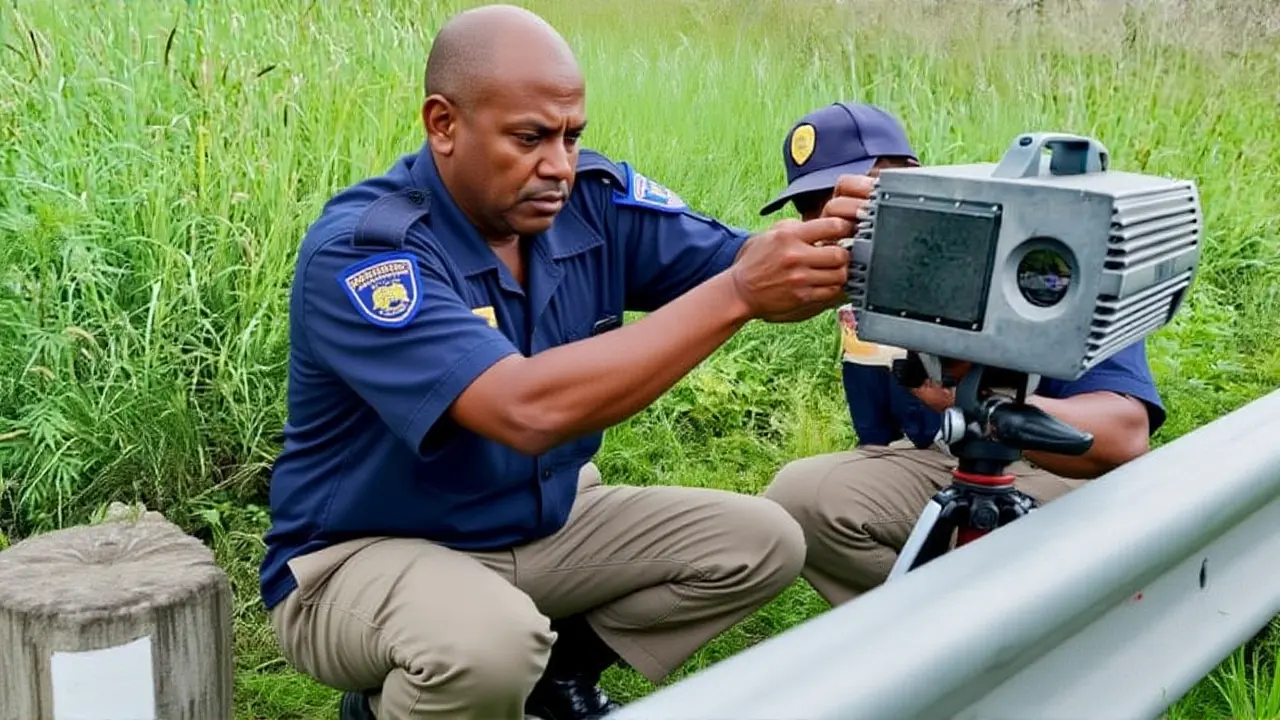
South Africa’s roads are facing a reckoning. As of January 2026, the country’s traffic enforcement framework has shifted into its final implementation phase. The Administrative Adjudication of Road Traffic Offences Act, widely known as AARTO, is no longer just a pilot program; it’s becoming the national standard. For drivers, this means the days of unpredictable municipality-specific fines are ending. Instead, we’re entering an era of standardized penalties and a strict demerit point system designed to catch habitual offenders before they cause disasters.
The twist is that while minor offences are moving out of criminal courts, serious crimes remain there. Drunk driving and reckless endangerment still carry criminal charges, but speeding? That’s now administrative. It’s a massive procedural change intended to speed up justice, but it puts a lot of weight on digital tracking and automated enforcement.
The New Fine Structure Explained
Here’s the thing about the new money rules: they’re rigid. Gone are the days where a speeding ticket in Cape Town cost half of what the same offence did in Pretoria. Under the AARTO system, fines are nationally prescribed. If you drive 11–12km/h over the limit, expect a fine of R400 and one demerit point. It sounds manageable, but the escalation kicks in quickly.
The penalty scales every 2km/h over the limit. By the time you hit 30km/h over in an urban zone, you’re looking at a R3,200 fine and five points. Exceeding that by another 1km/h triggers arrest. Oddly enough, the rural and freeway zones have slightly different caps due to speed variance, but the maximum pre-arrest fine remains capped at R3,200. It’s a calculated attempt to deter risky behaviour without flooding the courts.
Data from early phases shows this standardization creates clarity. Previously, motorists challenged tickets in court because amounts varied wildly. Now, the logic is consistent. However, compliance relies heavily on enforcement technology, which brings us to a glitch reported recently.
Enforcement Glitches and Revenue Loss
Implementation hasn’t been seamless. In January 2026, reports surfaced regarding infrastructure readiness. According to Moneyweb, the Johannesburg metro had lost access to all its speed cameras temporarily. This created a vacuum where motorists could speed unchecked, causing the city to lose significant revenue stream opportunities tied to traffic safety.
It highlights a dependency: the system only works if the tech is online. Without cameras or officers issuing citations, the demerit points stay at zero regardless of how fast you drive. But once connected, the net widens significantly.
Demerit Points and License Safety
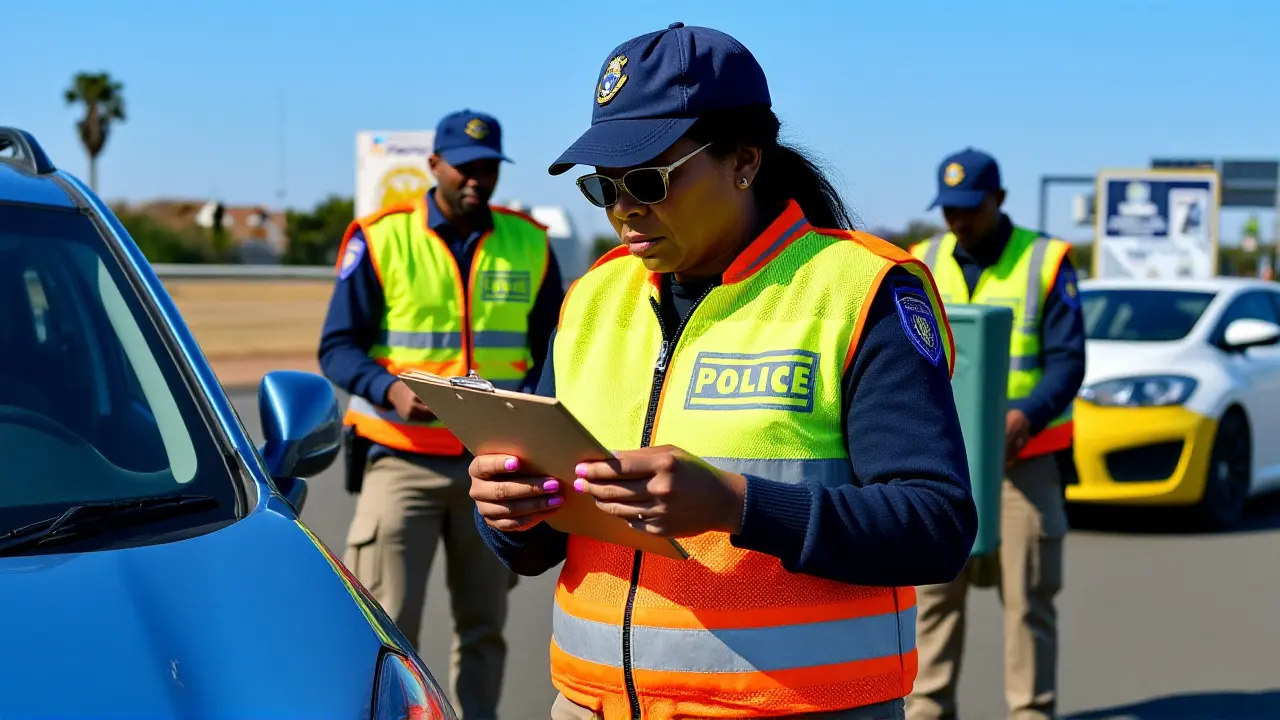
This is perhaps the biggest change for everyday drivers. Everyone starts at zero points. You earn points for infractions, and if you cross the threshold, your licence goes. Licensed drivers hit suspension at 15 points, while learner drivers are much stricter, maxed out at six points. There’s a reprieve, though.
For every three months without a single traffic infringement, one point drops off your record automatically. It rewards good behaviour over time. Still, accumulation is dangerous. A series of moderate speeding tickets adds up faster than people realize. Once you’re blocked, you’re off the road until the system resets.
Licence blocking isn’t automatic immediately after crossing the point total. An official Enforcement Order must be issued. This provides a brief window for contestation, although the burden of proof shifts compared to old criminal procedures. The goal is to identify high-risk drivers rather than punish occasional mistakes, but the margin for error is slim.
National Rollout Timeline and Future Tech
Currently, Tshwane and Johannesburg are the only metros fully operating under the live regime. But the expansion plan is aggressive. The City of Johannesburg is coordinating efforts to roll the system out to 69 additional municipalities by July 2026.
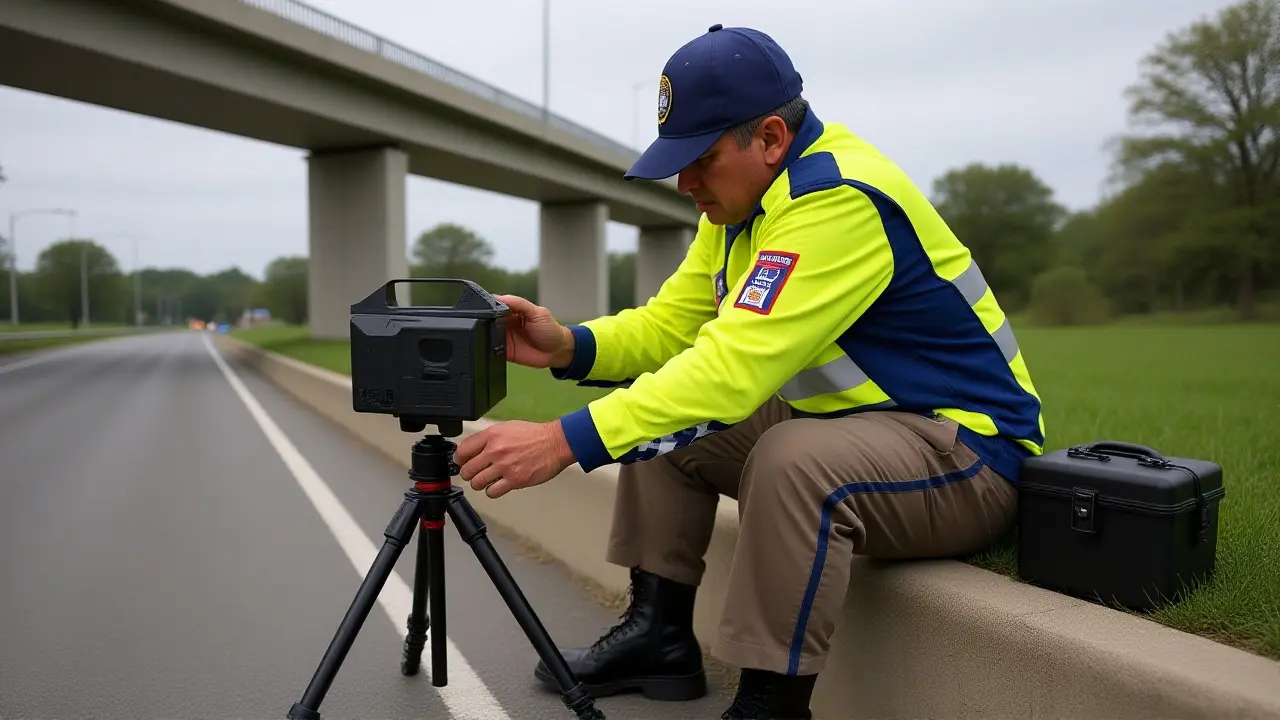
AARTO National ExpansionSouth Africa promises broader coverage. Beyond simple speeding, advanced AI traffic cameras are being deployed. These aren’t just catching speed; they monitor phone usage, seatbelt violations, and illegal parking simultaneously. It’s a surveillance upgrade that some privacy advocates worry about, but the Department of Transport argues it saves lives.
Until the full nationwide rollout hits, laws remain patchwork. If you drive outside the pilot zones, you’re still subject to the Criminal Procedure Act. This hybrid period ends soon. Drivers need to prepare for a unified front where a violation in Durban carries the same weight as one in Jo’Burg within months.
Frequently Asked Questions
Frequently Asked Questions
What leads to immediate arrest under AARTO?
Arrest typically occurs when a driver exceeds the maximum fine threshold, usually around 30-40km/h over the limit depending on the zone. Additionally, repeated refusal to pay fines or failure to comply with an Enforcement Order can lead to warrant issuance.
How does the demerit reduction work?
Drivers gain back one demerit point automatically for every three consecutive months without committing a new traffic infringement. This reset prevents points from accumulating indefinitely if behavior improves.
When does the system expand beyond Johannesburg?
The current schedule targets 69 additional municipalities for inclusion starting July 2026. This expansion follows the initial pilot phase currently active in Tshwane and Johannesburg metropolitan areas.
Can I still challenge speeding tickets in court?
Minor administrative infractions bypass criminal courts. Challenges are handled through an administrative process. However, serious offences like drunk driving remain criminal matters and can be contested in formal court proceedings.
Comments (10)
The jurisprudential framework underlying the Administrative Adjudication of Road Traffic Offences Act represents a paradigmatic shift in municipal liability structures, necessitating a robust recalibration of our constitutional expectations regarding due process. While the algorithmic adjudication streamlines administrative overhead, it simultaneously introduces a vector of potential systemic bias that remains inadequately quantified in current efficacy models. One must critically evaluate the intersection between automated enforcement metrics and civil liberties protections before the national rollout achieves saturation. The escalation matrix for penalty severity appears mathematically sound yet practically punitive, potentially disenfranchising marginalized demographics who lack the liquidity to contest enforcement orders immediately. It is incumbent upon legal scholars to dissect the procedural safeguards embedded within the Enforcement Order issuance protocol. The reliance on digital tracking infrastructure creates a single point of failure vulnerability that threatens the integrity of the entire judicial pipeline. Furthermore, the standardization of penalties eliminates regional fiscal variances which previously allowed for socioeconomic calibration of fines based on local economic conditions. We are effectively trading granular judicial discretion for the cold efficiency of bureaucratic automation. Unless the appeal mechanism is fortified, this transition could precipitate a significant erosion of public trust in state authority mechanisms.
This whole thing feels really overwhelming 😬📉🚫
They mess up everything they touch now 🤮😡. Just another way to steal money from honest workers. Cameras broken means nothing to them apparently 😤. South Africa should know better than to trust tech guys with guns 🚔❌. We keep seeing failures like this everywhere 👀. Don’t pay the fine if you know your rights 💪. They just want the cash $$$🤑. Freedom is gone if we let this happen here 🇺🇸✋. Wake up people before it gets worse 😷⛔.
One might arguably suggest that a degree of skepticism is indeed warranted given the apparent inconsistencies observed in early implementation phases. However, dismissing the initiative entirely seems somewhat hyperbolic when considering the broader safety objectives outlined by transport officials. It would be remiss not to acknowledge that standardized procedures generally facilitate clearer accountability metrics for all parties involved. Perhaps a balanced perspective involving patience for technical stabilization is most prudent until further empirical data emerges.
Hiii everyone! So this new AARTO stuff is kinda wild right? Like imagine teh cameras watching u everywhere lol 📸. My cousin in Jo’Burg says thier fines went up super fast after one mistake. Its like driving a tightrope nowz. But maybe its good for bad drivers getting caught faster. Hope we dont lose our licensez for small typos. Gotta drive safe fam ✌️🚗💨. Keep checking ur points bcuz it adds up quicky. Stay tuned for updates!
That is really helpful advice regarding the points accumulation, thanks so much for sharing that insight. It can be stressful dealing with new regulations so knowing exactly how the reset works gives a lot of peace of mind. Everyone just needs to remember to drive safely and keep their record clear for those three-month windows. You got this and hopefully the system smooths out soon for everyone driving out there.
It is absolutely imperative that we acknowledge the gravity of this situation!!!; The ethical implications are staggering and cannot be ignored by any reasonable individual!!!!; One must consider the societal impact of automated policing measures!!!; If we do not regulate these systems properly, freedom will erode rapidly;;;;; The demerit point system is designed to correct behavior, yet it lacks nuance!!!!; Drivers are being treated as statistical anomalies rather than human beings!!!!!!!!; We must demand transparency from the authorities who implement such protocols;;; Privacy advocates are rightfully concerned about the surveillance state aspects!!!!!; Furthermore, the financial burden placed upon citizens during economic downturns is unacceptable;;;;; Justice delayed is justice denied, but justice automated is often blind to context!!!!!; Families suffer when licenses are suspended for minor infractions that have been mishandled;;;;; We cannot simply accept technological efficiency as a substitute for moral judgment!!!!; It is vital that community voices are heard before further expansion occurs!!!!!!!!; Without proper oversight, this becomes a tool for revenue generation rather than safety;;;;; We owe it to future generations to scrutinize these changes with a critical eye!!!!!.
WRONG!!! YOU ARE COMPLETELY WRONG ABOUT THIS WHOLE SITUATION!!; You are ignoring the safety benefits that come with strict enforcement protocols;; Why do you always try to undermine law and order????; People need rules or society collapses into chaos instantly!!!; Stop complaining about costs and think about lives saved daily;;;; Your argument is weak and uninformed regarding the technical reality!!!; The state knows best what is required for public safety;;; Stop being a nuisance and accept the progress being made!!!!; This thread is full of negativity and misinformation;;; Just follow the rules like a good citizen should!!!!
Lmao seriously though the camera glitch stories are kind of funny in a tragic way. Nothing stops humans from finding loopholes even with fancy AI cameras installed. I suppose life finds a way regardless of what the bureaucracy tries to tell us. Maybe the universe just wants us to chill a little less on roads. Or maybe they need better coffee before coding these things. Who knows really. We just drive and hope.
It is fascinating how different regions handle traffic safety with such varying methodologies compared to what we see elsewhere globally. Learning about these international frameworks helps broaden our understanding of policy implementation challenges universally. There is definitely room for cross-border knowledge sharing to improve safety outcomes everywhere. Hopefully this provides useful context for others reading through the discussion today.