
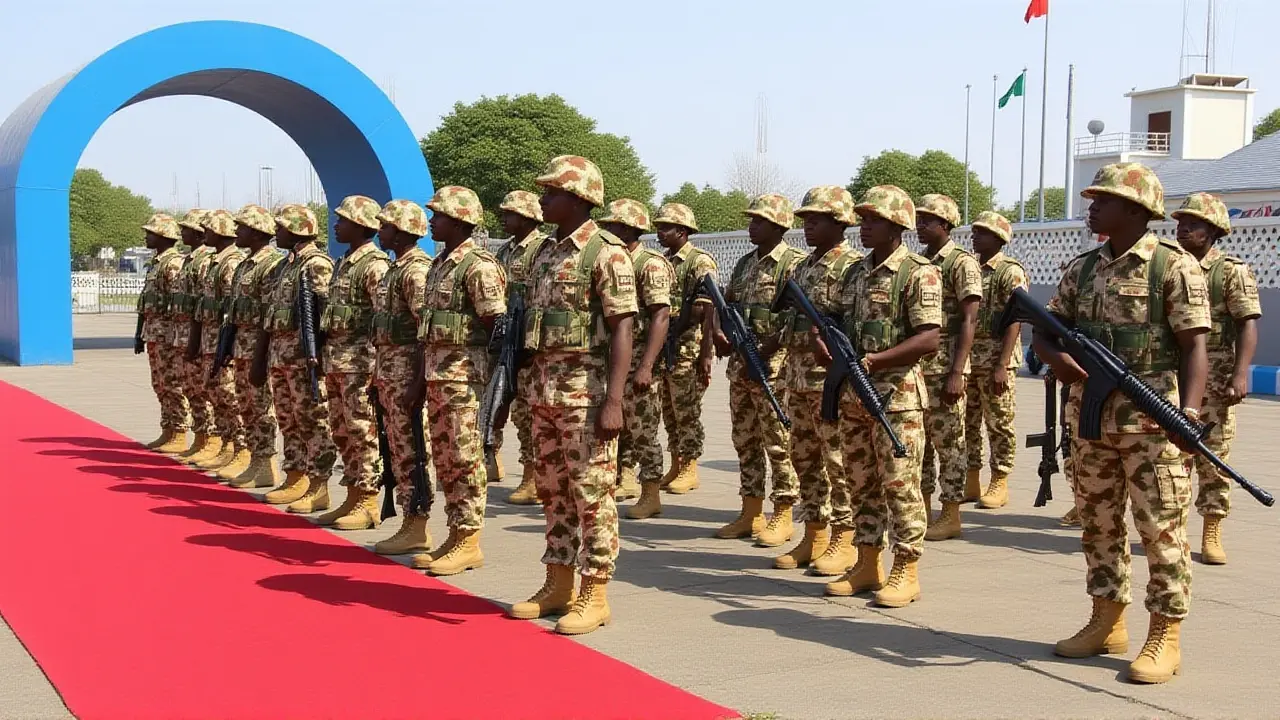
The Nigerian Army has delivered a staggering double blow to Islamic State West Africa Province, eliminating two of its most senior commanders within weeks. In separate operations conducted in May and June 2025, troops killed Amir Abu Fatima and Ameer Malam Jidda, disrupting the group’s command structure in Borno State.
These aren't just routine skirmishes. They represent a strategic decapitation strike against ISWAP’s leadership in Nigeria’s northeast, a region that has been bleeding from insurgency for over a decade. The killings occurred under the banner of Operation Hadin KaiNortheastern Nigeria, the military’s primary counterinsurgency campaign since 2021.
A Tactical Breakthrough in Borno
Here’s the thing about high-value targets: they don’t die easily. But on 30 May 2025, that changed for Amir Abu Fatima. Described by authorities as one of Nigeria’s most wanted terrorists, Abu Fatima was coordinating attacks across northern Borno State. He didn’t fall in a distant ambush; he was taken down in a fierce gunbattle in Aleru village.
According to reports from Premium Times cited by Africa Defense Forum, soldiers captured Abu Fatima alive initially. But his injuries were fatal. He bled out from wounds sustained during the firefight with Nigerian troops. Two of his top lieutenants died alongside him. The tactical precision here is notable: the army recovered AK-47 rifles, magazines, ordnance, and materials for improvised explosive devices (IEDs) from the scene. Most importantly? Zero casualties for the Nigerian forces. That kind of operational efficiency is rare in asymmetric warfare.
Then came the second strike. On 9 June 2025, the momentum didn’t stop. Forces launched a coordinated air and ground assault in the Gujba Local Government Area. This time, the target was Ameer Malam Jidda, known locally as the “Ameer” of Ngorgore and Malumti villages. He held significant authority over ISWAP elements in those communities, acting as a local governor of sorts for the terrorist network.
The Human Cost and Military Response
Reuben Kovangiya, acting deputy director of Army Public Relations at Headquarters Theatre Command, described the engagement with Malam Jidda as fierce. “Troops overpowered the terrorists with superior firepower,” he stated. The result was decisive. Malam Jidda was killed, along with scores of his fighters. Survivors fled with gunshot wounds, only to be hunted down later.
In a follow-up phase, troops executed an ambush in an area locals call the Timbuktu Triangle. More ISWAP fighters were neutralized. It’s a grim reminder of how these operations unfold: intense initial contact, followed by methodical cleanup operations. The military isn’t just killing leaders; it’s dismantling their support networks.
But wait—there’s more to this story than just two deaths. These killings are part of a broader pattern. Recent reporting indicates that Operation Hadin Kai has been systematically targeting ISWAP’s upper echelon. In late June 2026, two other high-ranking commanders, Ismail Mohammed and Abu Umar, surrendered to troops. Their surrender provided intelligence confirming the death of another senior figure, Mohammed Khalifa, a member of the ISWAP Shura Council.
International Dimensions and Future Threats
This isn’t happening in a vacuum. Nigeria isn’t fighting alone anymore. Joint operations with the United States have intensified. According to The Cable, a collaborative air mission between US and Nigerian forces killed three lieutenants from the inner circle of Abu-Bilal Al-Minuki, another key ISWAP figure.
Further strikes involving the United States Africa Command (AFRICOM) reportedly eliminated three more senior commanders: Abdul Wahab, Abu Musa al-Mangawi, and Abu al-Mutana al-Muhajir. Abdul Wahab wasn’t just a fighter; he coordinated attacks and ran propaganda campaigns. Destroying his network hits ISWAP where it hurts most: recruitment and morale.
Since these joint operations began, authorities report that 175 ISIS-linked militants have been killed. Weapons caches, logistic hubs, checkpoints, and financing networks have been destroyed. The goal is clear: weaken jihadist networks across West Africa, not just in Nigeria.
Why This Matters Now
Turns out, the timeline matters. Operation Hadin Kai replaced Operation Lafiya Dole in April 2021 after six years of limited success. The shift marked a reorganization of Nigeria’s counterinsurgency strategy. For four years, progress was slow, often measured in small gains and heavy losses. Now, we’re seeing a different pace.
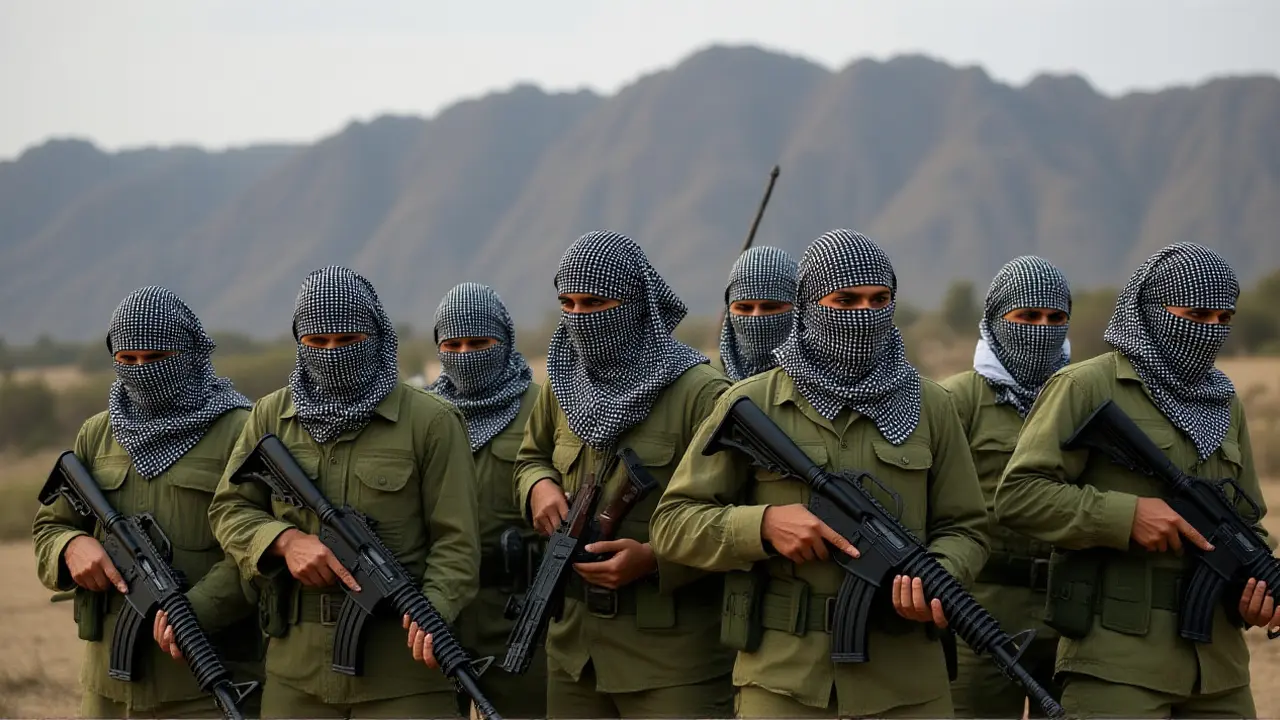
The elimination of Abu Fatima and Malam Jidda signals a turning point. ISWAP relies on hierarchical leadership. Remove the heads, and the body struggles to function. But insurgent groups adapt. They decentralize. They recruit replacements. So while this is a major victory, it’s not the end of the war.
What’s next? Watch for increased activity in border regions like Chad and Cameroon, where ISWAP fragments may flee. Expect more joint international operations. And keep an eye on surrender rates—if more commanders follow Ismail Mohammed and Abu Umar, it could indicate internal collapse.
Frequently Asked Questions
Who were Amir Abu Fatima and Ameer Malam Jidda?
Amir Abu Fatima was a high-ranking ISWAP commander who coordinated attacks in northern Borno State. He was killed on 30 May 2025 in Aleru village after being wounded in a gunbattle. Ameer Malam Jidda served as the “Ameer” (leader) of Ngorgore and Malumti villages, holding local authority over ISWAP operations. He was killed on 9 June 2025 during a coordinated air and ground operation in Gujba Local Government Area.
What is Operation Hadin Kai?
Operation Hadin Kai is the Nigerian Army’s primary counterterrorism campaign in northeastern Nigeria, launched in April 2021. It replaced Operation Lafiya Dole, which had run for six years. The operation focuses on dismantling ISWAP’s leadership, infrastructure, and financing networks through combined air and ground assaults.
How involved is the United States in these operations?
The US plays a significant supporting role through joint operations with United States Africa Command (AFRICOM). Collaborative air missions have targeted ISWAP lieutenants and senior commanders, including figures linked to Abu-Bilal Al-Minuki. Since these partnered campaigns began, 175 ISIS-linked militants have been reported killed, along with the destruction of weapons caches and logistical hubs.
Are there signs of ISWAP weakening beyond leadership losses?
Yes. In addition to killings, two senior commanders—Ismail Mohammed and Abu Umar—surrendered to Nigerian troops in June 2026. Their debriefing confirmed the death of Mohammed Khalifa, a Shura Council member. Surrenders suggest internal fragmentation and declining morale, though experts warn that ISWAP may decentralize to survive.
What areas remain at risk after these victories?
While Borno State has seen reduced high-level threats, border regions with Chad and Cameroon remain vulnerable. ISWAP fragments may flee across porous borders, potentially regrouping or splintering into smaller cells. Continued surveillance and cross-border cooperation will be critical to preventing resurgence.